
Specialist Braces Treatment in Durbanville
Modern braces for children, teens and adults designed to create healthy, confident smiles through personalised orthodontic care.
What are Braces?
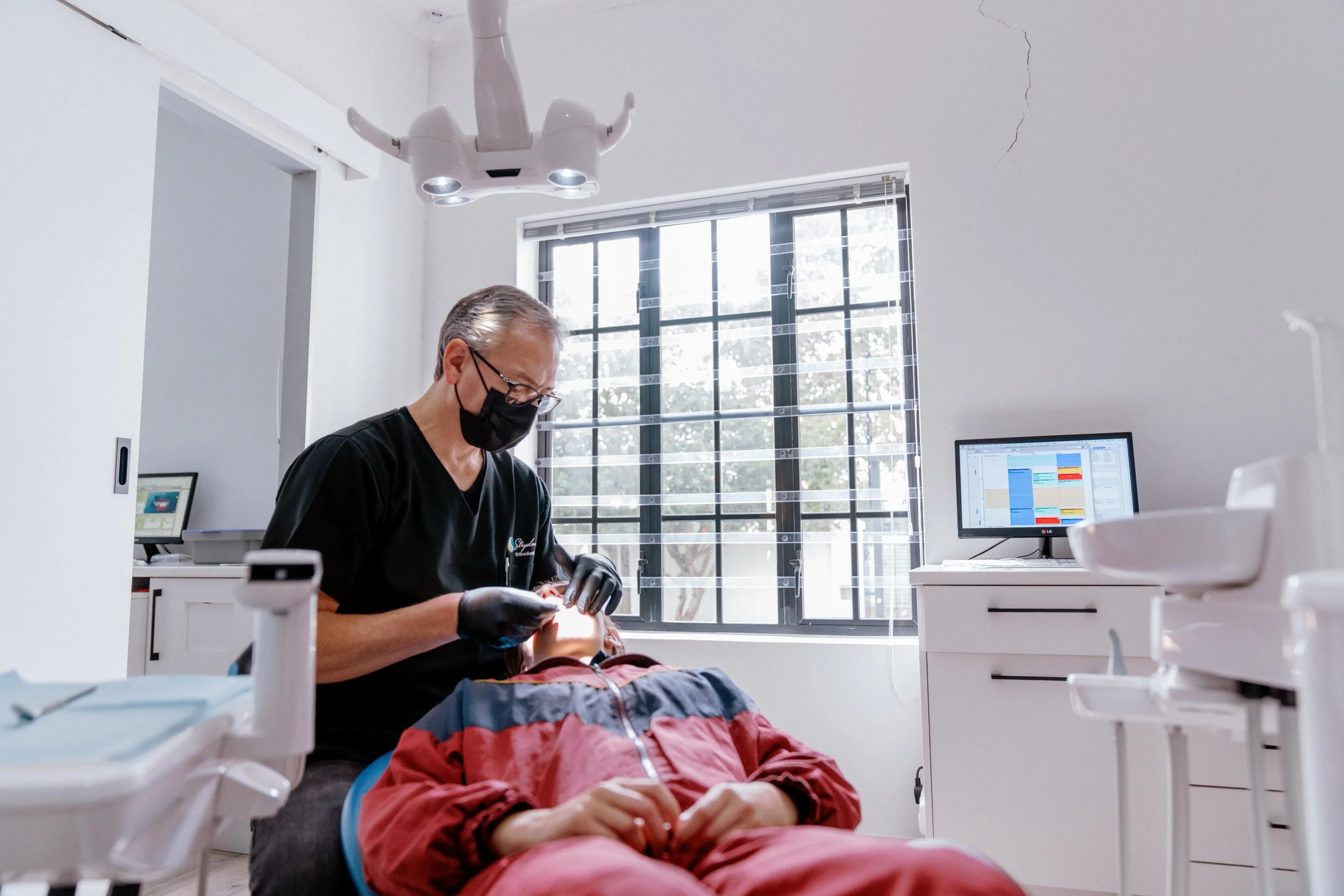
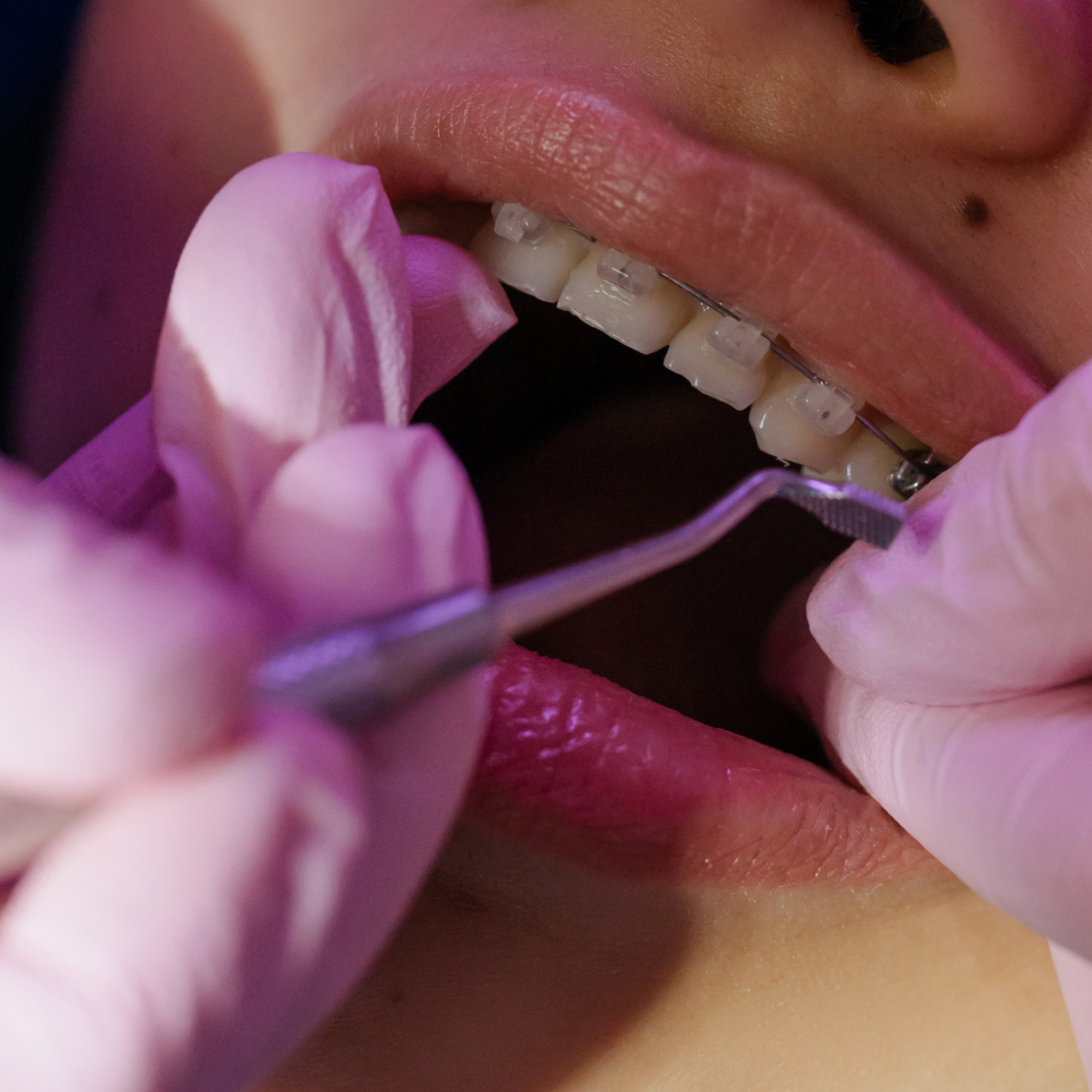
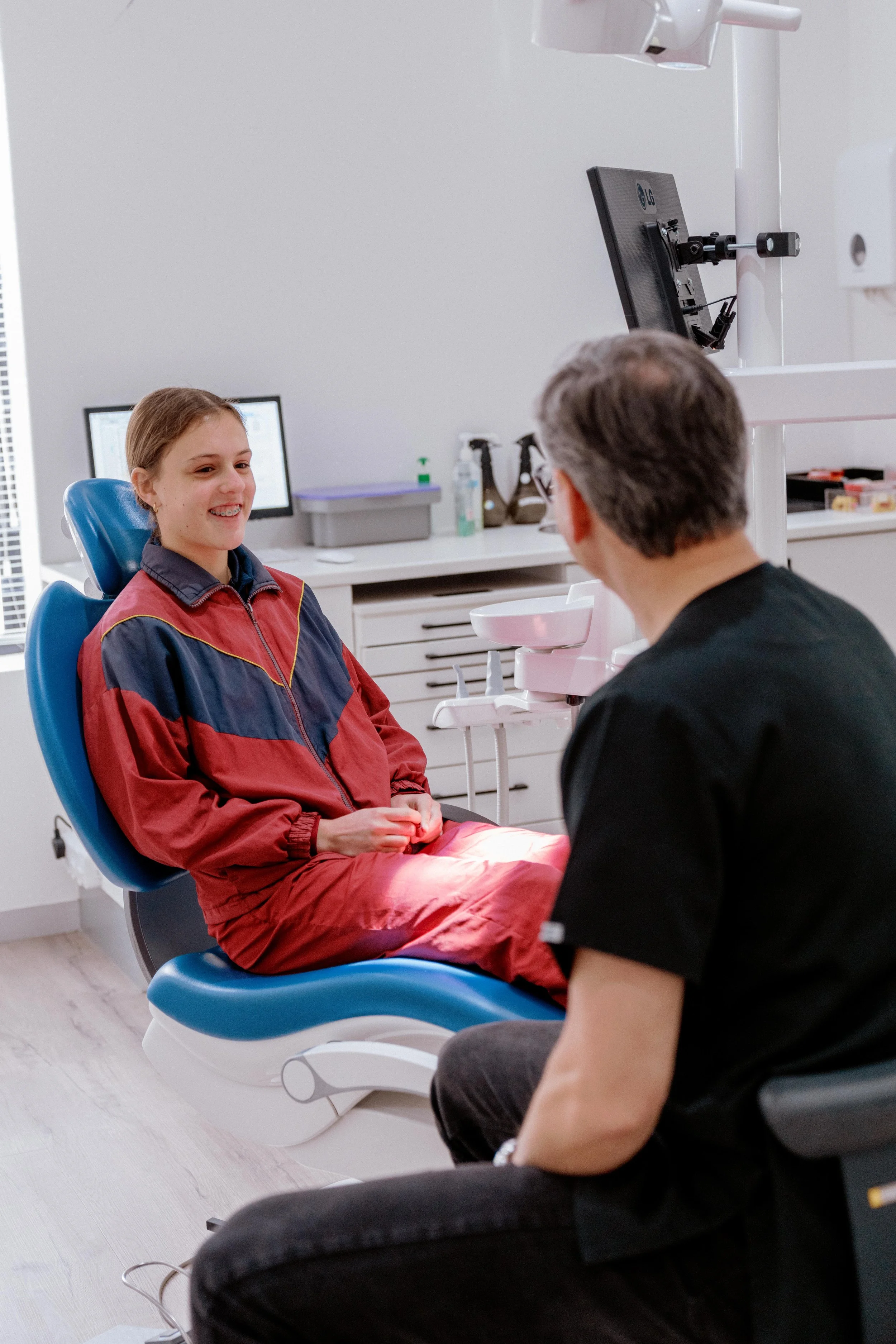
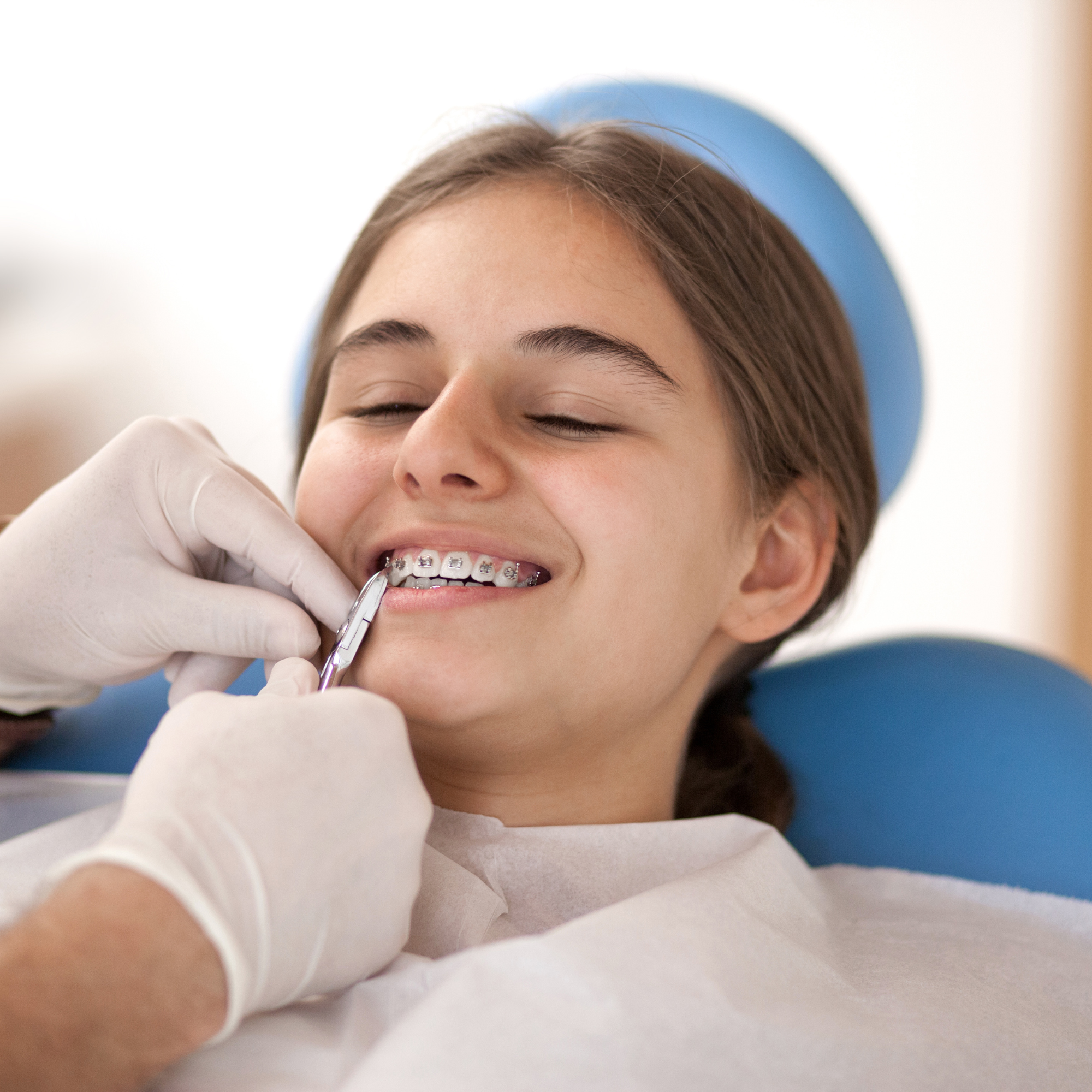
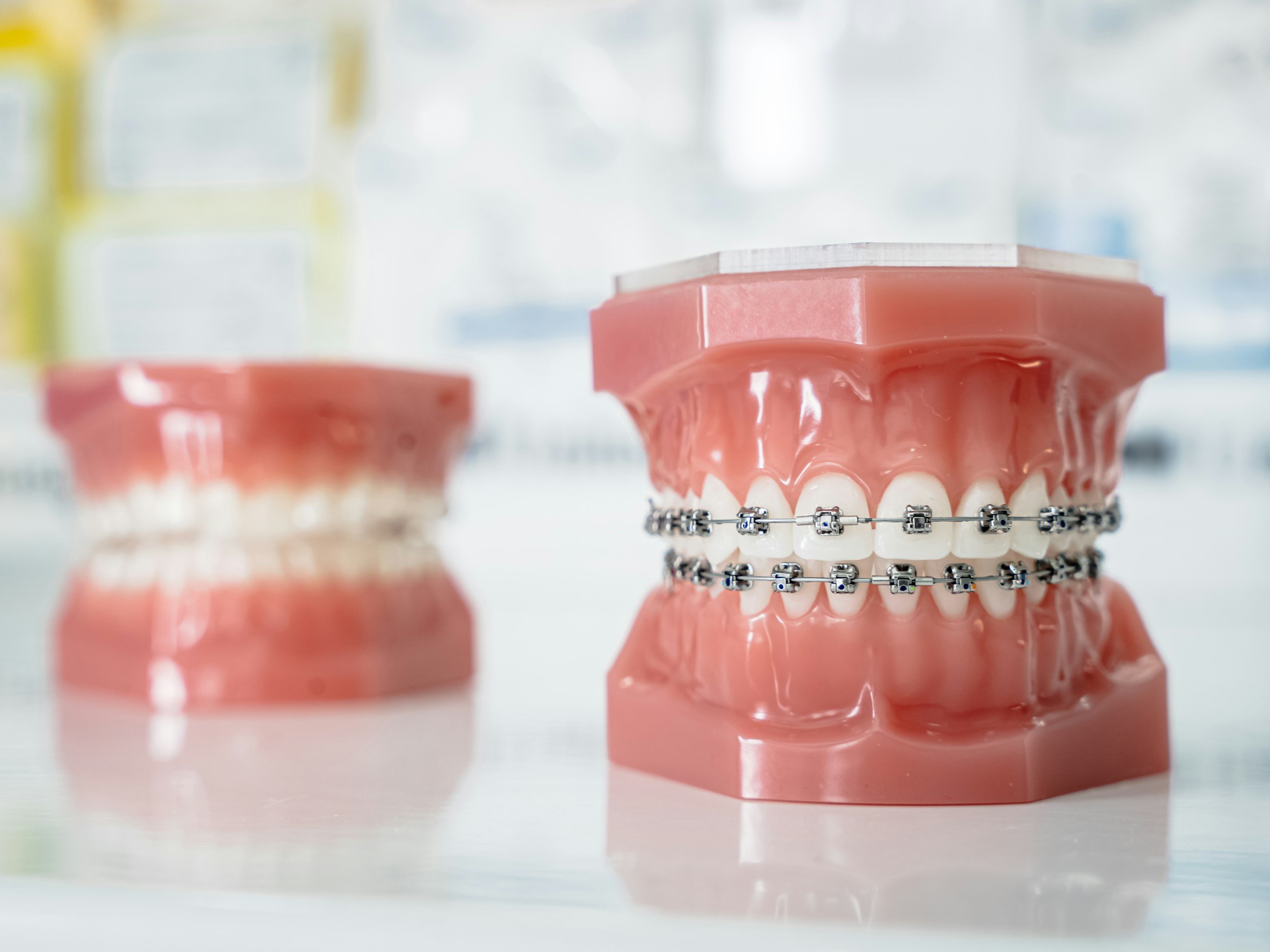
Braces remain one of the most effective and reliable orthodontic treatments tools for correcting tooth alignment, improving bite function and creating healthy, confident smiles. Fixed brackets and wires gradually move teeth into their ideal positions, treating concerns such as crowding, gaps, overbites and general misalignment while supporting long-term oral health.
Modern braces are more comfortable, discreet and efficient than ever before, with treatment options including traditional metal braces with amazing colour options, clear ceramic braces, and even a discreet champagne braces option.
What Can Braces Treat?
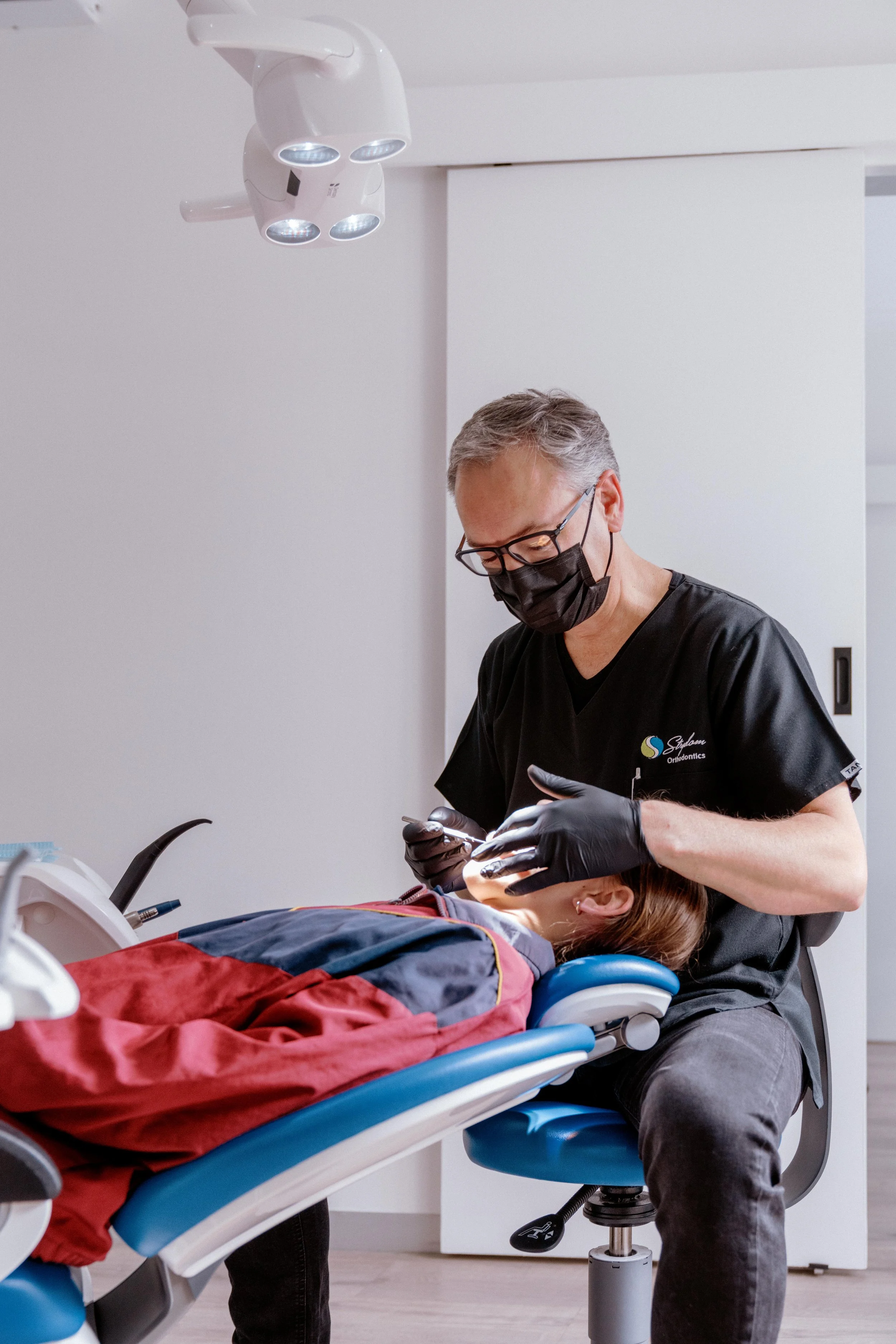
Braces are used to treat a wide range of orthodontic concerns affecting both the appearance of your smile and bite function. Orthodontic treatment by means of braces can improve tooth alignment, bite balance and long-term oral health by gradually moving teeth into healthier positions.
-
Braces can be used to create space and improve alignment where teeth overlap or sit too closely together.
-
Orthodontic treatment can close unwanted spaces between teeth to create a more balanced smile.
-
Braces help correct upper teeth that extend too far over the lower teeth.
-
Treatment can improve jaw imbalance and tooth positioning where lower teeth sit in front of the upper teeth.
-
Braces can be used to correct teeth that bite incorrectly across the upper and lower arches.
-
Orthodontic treatment improves smile alignment and overall dental function through carefully controlled tooth movement.
What to Expect from the braces process
-
![]()
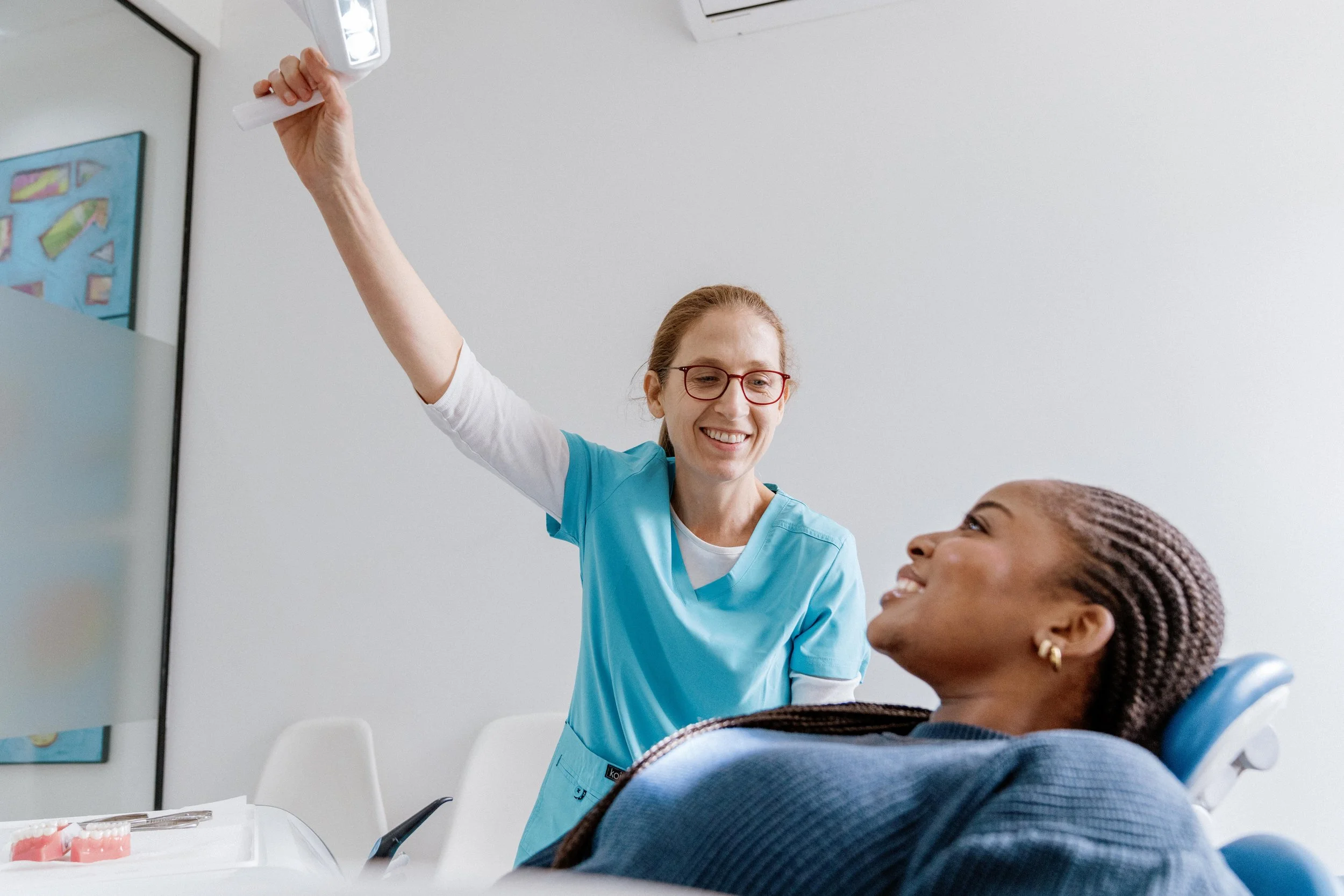
Your First Consultation
Your orthodontic journey begins with a comprehensive assessment of your teeth, bite and smile alignment. We discuss your concerns, evaluate your orthodontic needs and explain the most suitable treatment options for your smile. An additional treatment plan discussion appointment will then be scheduled to explain your treatment options and answer any questions you may have. This is an additional online appointment scheduled after-hours for your convenience.
-
![]()
Personalised Treatment Planning
Using modern orthodontic techniques and digital treatment planning, we create a customised orthodontic treatment plan tailored to your individual needs and long-term treatment goals.
-
![]()
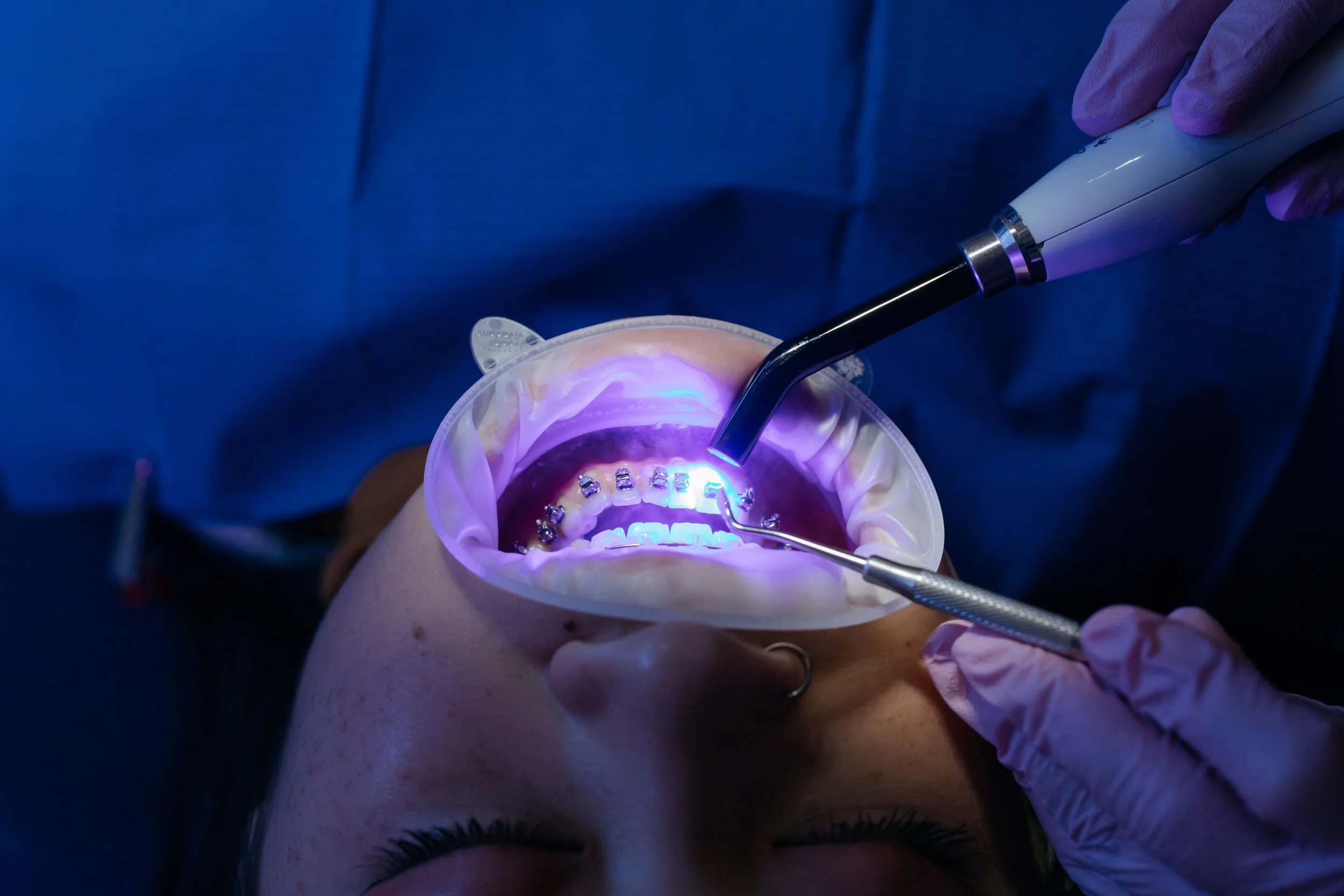
Braces Placement
Once your treatment plan is finalised and discussed, your braces are carefully fitted and adjusted to begin gradually guiding your teeth into healthier alignment.
-
![]()
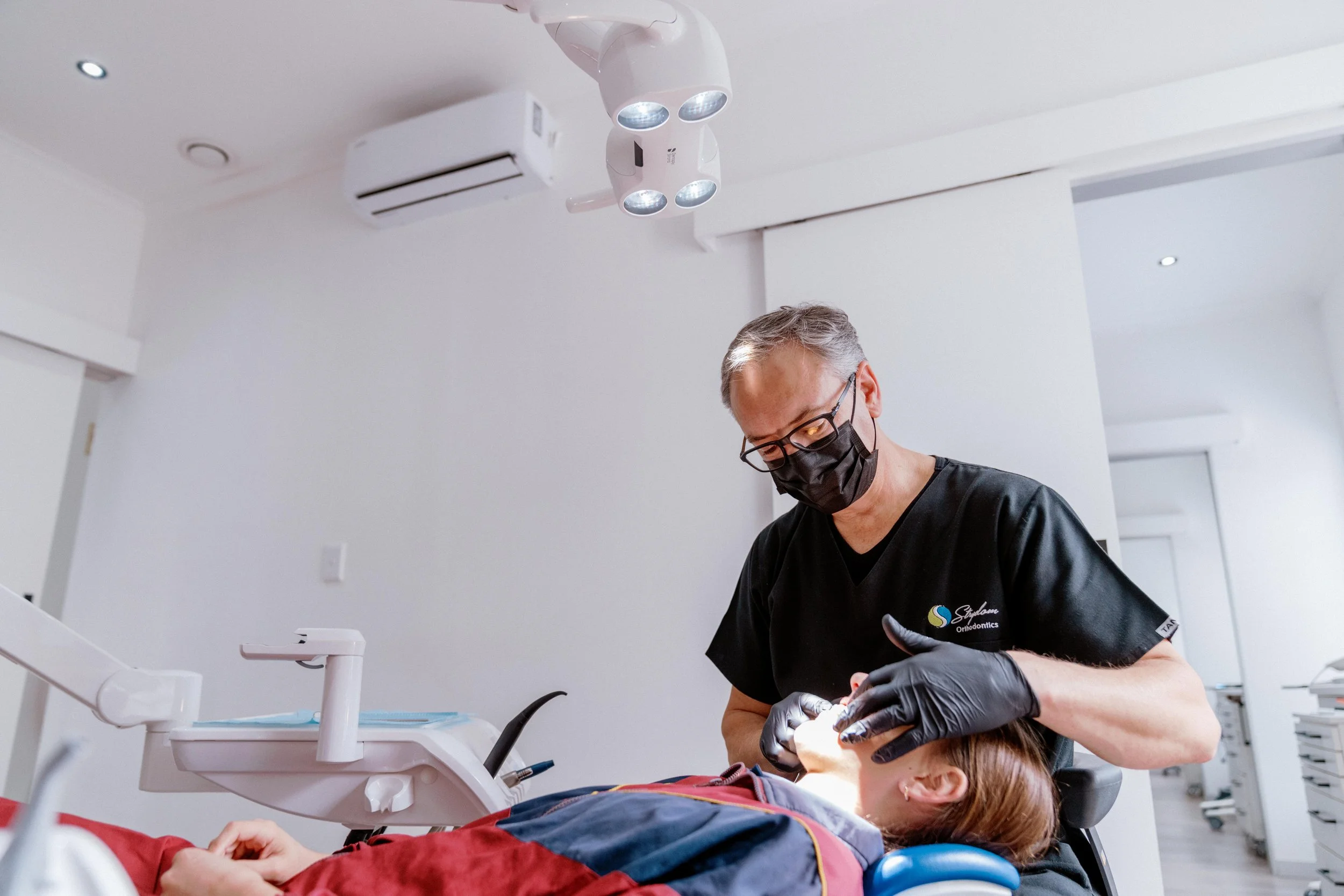
Adjustment Appointments
Regular follow-up appointments allow us to monitor your progress, make adjustments where needed and ensure your treatment continues as meticulously planned.
-
![]()
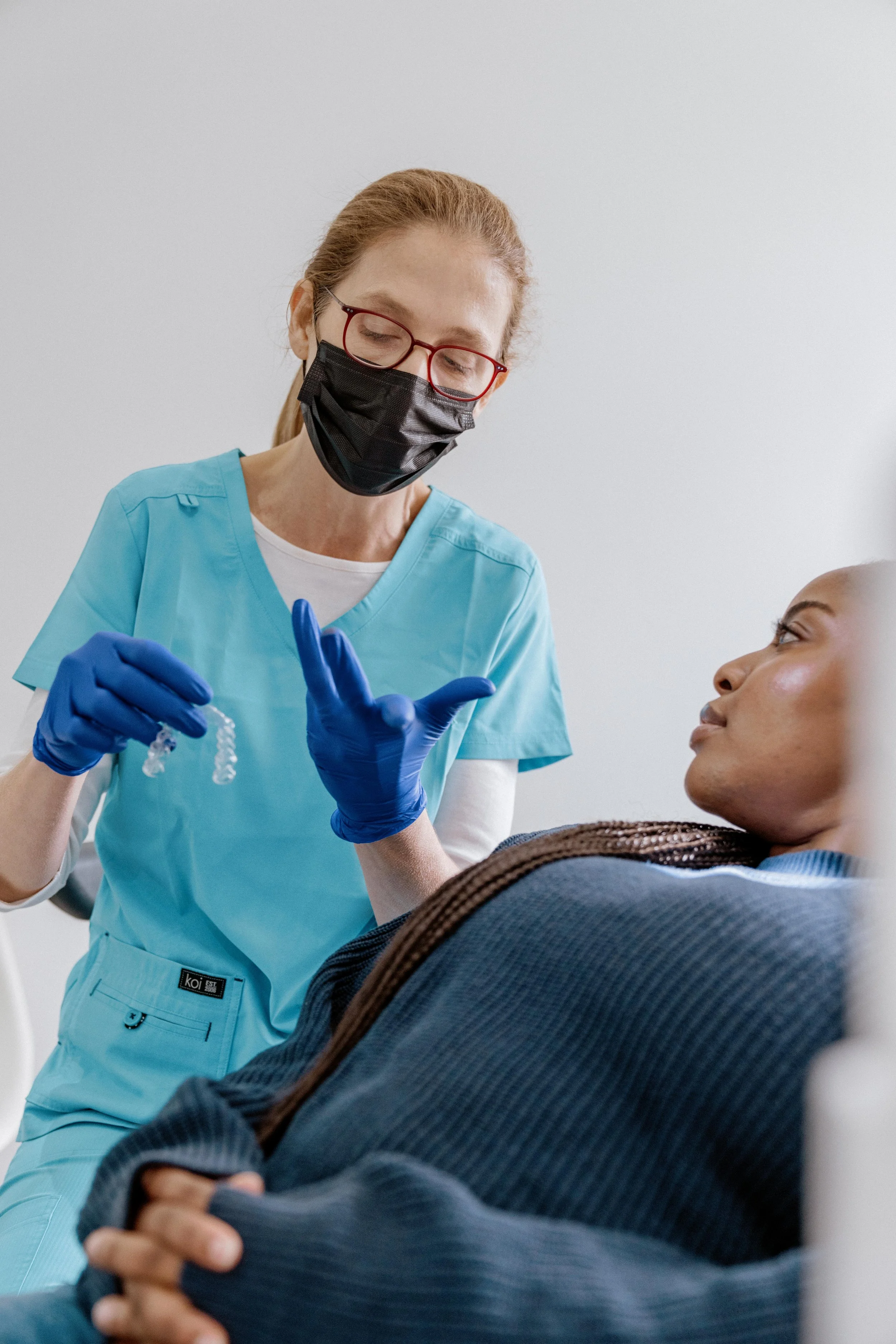
Smile Retension
After braces are removed, retainers help maintain your new smile and support long-term treatment stability and oral health.

How do I clean my teeth with braces?
-
Start with the teeth in your upper jaw. Position your toothbrush above your brace and direct the bristles towards your gums. Now gently clean all around the edges of your gums. This will help you keep your gums healthy and will make your smile even more beautiful.
-
With the toothbrush still above the upper brace, turn the bristles towards the brace and continue to gently clean the upper part of the brace, behind the wire and in between the brackets.
-
Position your toothbrush below the upper brace and turn the bristles towards the brace. Proceed to gently clean the lower part of the brace, behind the wire and in between the brackets.
-
Move your toothbrush to the brace in the lower jaw and repeat steps 1 through 3 for the lower teeth.
-
Now clean the inside of your teeth. Again angle the bristles towards your gums and gently clean your teeth and gums.
-
Clean on top of all your teeth. Upper, lower, front and back.
-
Use a small interdental brush to clean behind the wires and between all brackets in the upper and the lower jaw. This is a very important step because your toothbrush does not always reach and clean these areas during the first 6 steps.
Rinse your mouth after you’ve completed these steps. The braces in the upper and lower jaw should now be sparkling clean. If not, make sure to clean the areas where you can still see dental plaque. You may now use the recommended oral rinse to rinse your mouth for 2 minutes. DO NOT SWALLOW and do not rinse your mouth with water afterwards.
Poor oral hygiene will lead to cavities and/or gum disease with or without orthodontic appliances. We will do our best to assist you in keeping everything clean, but this ultimately remains the responsibility of the patient.
Please continue to visit your family dentist for regular check-ups during the orthodontic treatment.
FAQs
-
The cost of braces depends on the complexity of your orthodontic treatment, the type of braces used and the estimated treatment duration. At Strydom Orthodontics, we provide personalised treatment plans and discuss all treatment costs clearly before the start of treatment.
-
Yes. Adult braces can improve smile aesthetics, bite function and long-term oral health. More adults than ever are choosing orthodontic treatment to achieve healthier, more confident smiles.
-
The South African Society of Orthodontists recommends that children have an orthodontic assessment by around age 7. Early evaluation allows potential bite and alignment concerns to be identified while the jaws are still developing.
-
Orthodontic treatment time varies depending on the complexity of each case. Most braces treatments typically range between 12 and 24 months, although some patients may require shorter or longer treatment periods.
-
Braces may cause mild discomfort for a few days after placement or adjustments as the teeth begin moving. Modern braces are designed to be more comfortable than ever before, and most patients adjust quickly.
-
Patients with braces should avoid hard, sticky or chewy foods that may damage brackets or wires. Your orthodontic team will provide detailed guidance on caring for your braces during treatment.
-
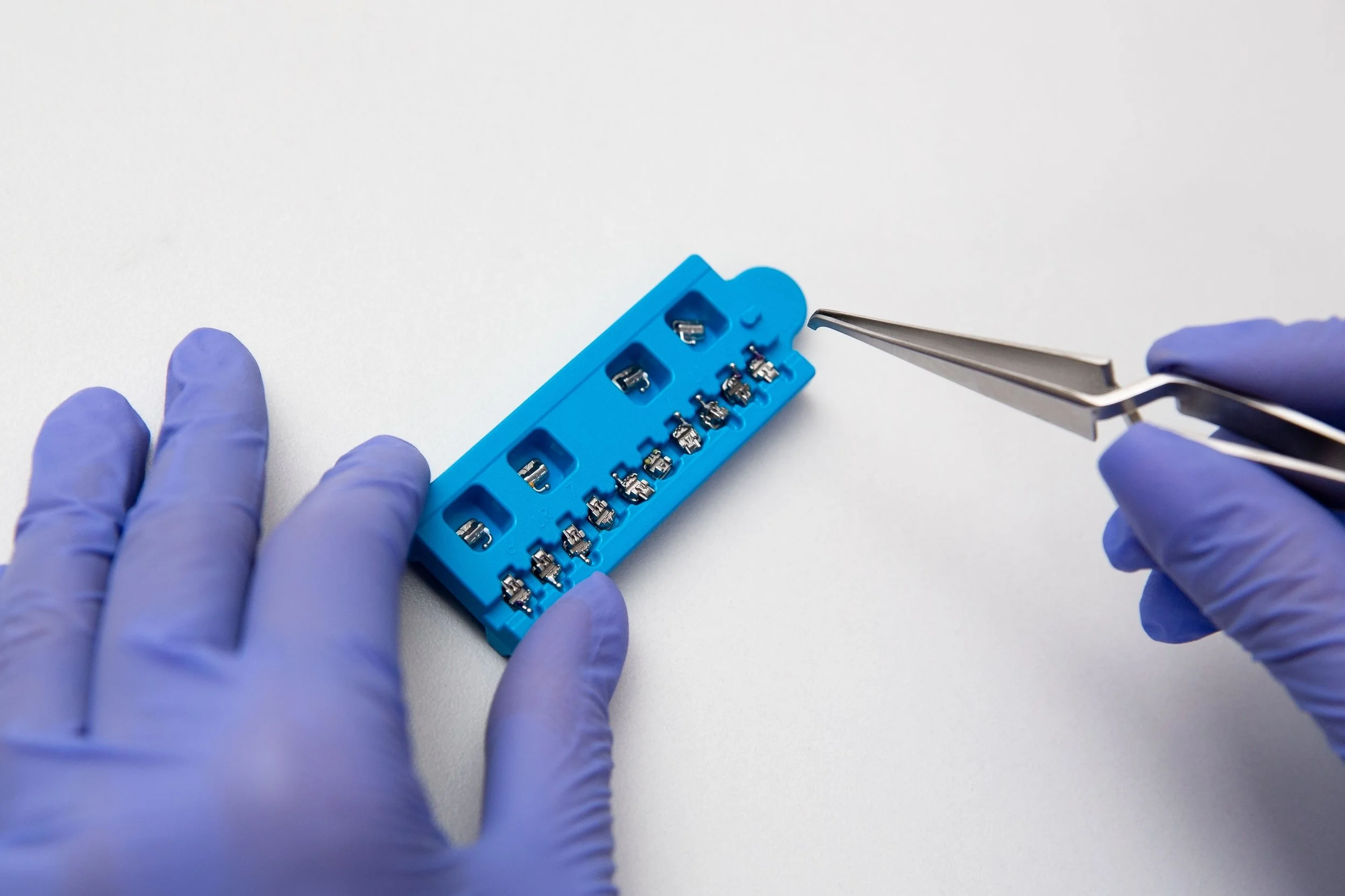
Metal braces consist of durable stainless-steel brackets and wires, while ceramic braces consist of tooth-coloured brackets and wires designed to blend more naturally with your smile. Both options are highly effective orthodontic treatment tools.
-
Yes. Braces can be used to correct bite concerns such as overbites, underbites, crossbites and crowding, improving both smile appearance and long-term oral function.
-
Most braces patients visit the orthodontist every 6 to 8 weeks for adjustments and progress monitoring throughout treatment.
-
Absolutely. Strydom Orthodontics provides orthodontic treatment for adults using modern orthodontic techniques tailored to adult lifestyles.
-
Some patients may notice minor speech changes during the first few days after getting braces, but this usually improves quickly as you adjust to the appliance.
-
Once braces are removed, retainers are used to help maintain your new smile and prevent teeth from gradually shifting back over time.
-
A specialist orthodontist has completed additional years of advanced training focused specifically on tooth movement, bite correction and orthodontic treatment planning. Choosing a specialist orthodontist helps ensure your treatment is carefully planned for both aesthetics and long-term oral health.